In today’s fast-paced world of advertising and promo products, you really can’t emphasize enough how crucial high-quality Hand Flag s are. I recently came across an industry report from IBISWorld that mentioned how the demand for flags and banners has skyrocketed—it's expected to hit around $2 billion by 2025, thanks to all the events and marketing campaigns going on. As someone who's been in the game for a while, I know that companies like CHENGDU DISITU TECHNOLOGY CO., LTD. , which was founded back in 2012 and specializes in display gear and custom merchandise, understand the hurdles that come with making good hand flags.
Even though these flags are super popular, a lot of manufacturers struggle with inconsistencies in materials and how they produce them. That often impacts how long the flags last and how good they look. So, in this piece, I want to shed some light on the main issues folks face when it comes to making hand flags, and why tight quality control is such a big deal—to make sure customers get flags that really do the job: representing their brand and standing the test of time.
Challenges in Hand Flag Production: An Overview of Common Issues
Making hand flags for events, parades, or rallies might seem straightforward, but there are actually quite a few hurdles that can mess with the final product’s quality. One common problem is the inconsistency in the materials folks use. Sometimes, manufacturers go for cheaper fabrics just to save a buck, but that often results in flags that aren’t super durable and tend to fade easily. And when you’re trying to produce a bunch of flags to create a uniform, eye-catching display, these differences can make the whole look a bit messy or uneven. Then there’s the issue of quality control. Unfortunately, not all manufacturers pay enough attention to thorough checks during production. This can lead to flags with uneven stitching, off-center graphics, or colors that don’t quite match the original design. These flaws might not seem like a huge deal at first, but they really do affect how the flags look in a crowd — plus, they can impact how well the flags perform during a public show. To really get good, reliable flags that look sharp, it’s crucial to have stricter quality checks at every step of the process. That way, every flag not only looks great but also stands up to the demands of live displays and makes everyone proud to wave them around.
Quality Control Standards in Hand Flags: Why They Matter
You know, quality control really plays a huge role when it comes to making hand flags. Take a company like Chengdu Disitu Technology Co., Ltd., for example – they've been a big player in display equipment and ad printing since 2012. Making sure every flag ticks all the quality boxes isn’t just about durability; it also makes the flags look way more appealing. If there are issues with the colors, stitching, or materials, customers can get pretty disappointed, and that could hurt the company’s reputation. That’s why they’re super careful, checking everything out from selecting the right materials all the way through to the final inspection. It’s all about ensuring their flags look great and work well, too. And honestly, quality control isn’t just about the finished product – it influences the whole manufacturing process and even sparks new ideas. Chengdu Disitu’s dedication to quality really shows, especially with their wide range of stuff like custom banners and display stands. In a crowded market, standing out means sticking to high standards and really listening to what customers want. Doing that builds trust and keeps folks coming back. Plus, it gives the company room to grow and keep improving their products and services over time.
Quality Control Standards in Hand Flags: Importance and Challenges
The Impact of Material Choices on Hand Flag Durability
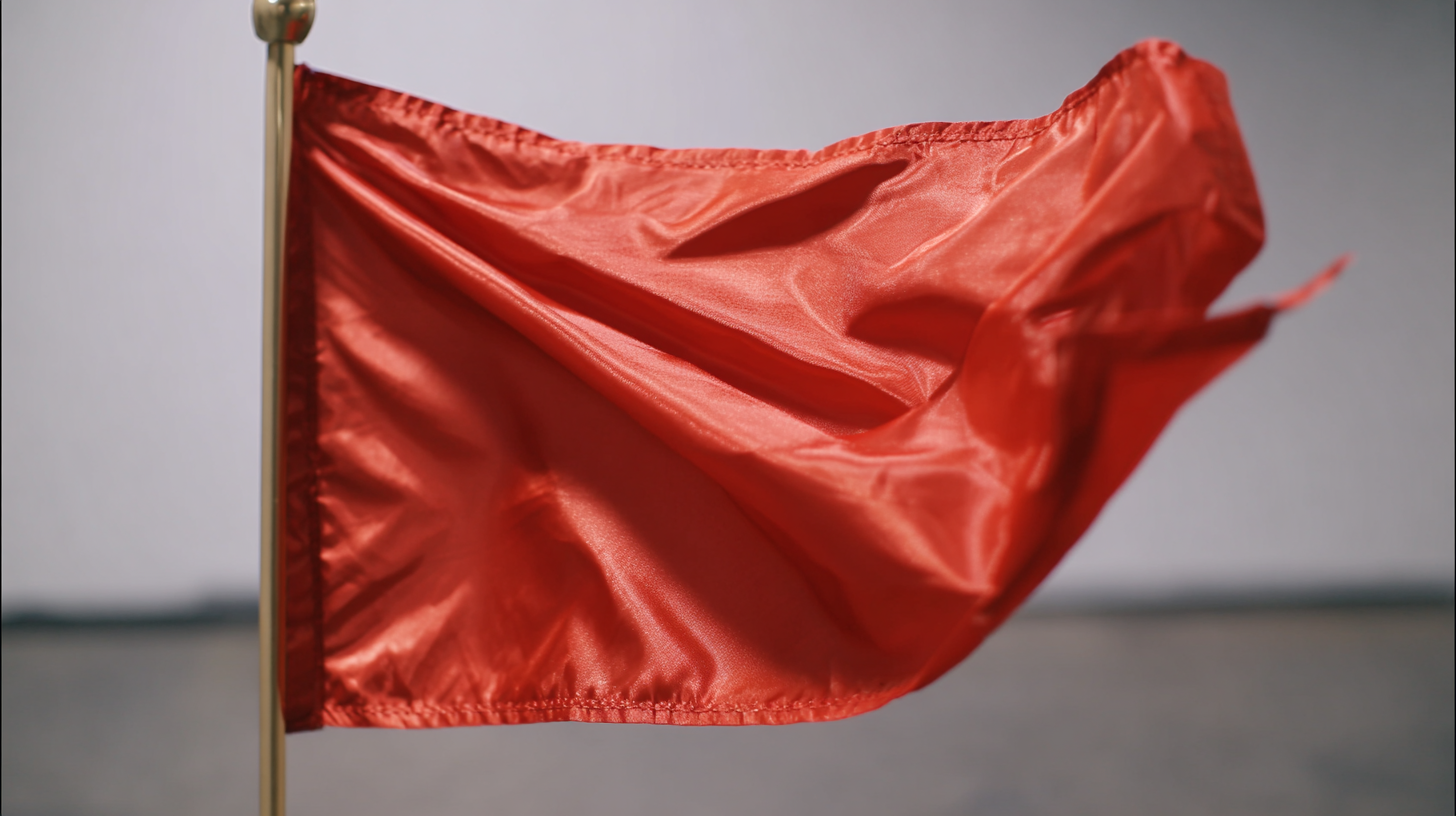
And then there’s the printing process , which is just as important. Apparently, dye-sublimation printing on polyester really makes the colors pop and stay vibrant, even after hours in the sun. Traditional screen printing, however, has a tendency to crack or peel if the flag gets a lot of movement — something that’s pretty common for hand flags. So, if manufacturers invest in better materials, they’re not just making pretty flags, but ones that actually hold up and look great over time. That’s a win for everyone — better quality, longer-lasting flags, and happier clients who get their money’s worth.
Production Techniques: Balancing Efficiency and Quality in Flag Making
When it comes to making flags , finding that sweet spot between being efficient and maintaining top quality is really key. Sure, production methods are constantly changing and improving, but at the end of the day, the big question is still: how do you speed things up without sacrificing the quality of the final product? Every step in the process, from picking the right materials to that detailed stitching, has an impact on how long the flags last and how good they look. Focusing more on quality rather than just rushing through can lead to flags that not only truly represent what they're meant to but also stand the test of time . To get things moving faster, makers are now turning to newer tech, like digital printing and automated cutting machines . These tools can cut down on production time a lot, which means faster delivery for customers. But, here’s the thing—while these innovations help speed things up, they’ve gotta be paired with solid quality checks . Regular inspections and skilled workers are absolutely crucial to make sure the flags don’t end up looking good but falling apart quickly. Striking this balance is super important because the goal is to give customers flags they’ll love and trust , without messing up the quality in the process.
Addressing Supply Chain Disruptions in Hand Flag Manufacturing
Lately, the hand flag manufacturing world has been hit with quite a few hurdles, mainly because of supply chain issues . A report from the Global Manufacturing Institute mentions that about 79% of manufacturers have struggled with delays and quality problems because of these disruptions. A lot of this chaos seems to come from rising costs of raw materials, worker shortages, and logistical snarls—making it tough to get those quality flags out on time.
To deal with these headaches, makers are encouraged to try a few different strategies. For starters, spreading out supplier relationships can really help soften the blow from regional hiccups. Some companies are even turning to local suppliers, which, according to a recent study, can cut delivery times by up to 30% . Also, getting smarter with inventory management—like using more advanced techniques—can keep things running smoothly and ensure the quality stays top-notch .
Pro tip: Building solid relationships with your suppliers is a game changer—you’ll want to stay in regular touch so everyone’s on the same page, especially when things get rough. And don’t be afraid to experiment with different materials for your flags; it might just lighten the supply chain load and could even spark some cool, cost-effective new designs.
Best Practices for Ensuring Consistent Quality in Flag Production
Making sure flags are consistently high-quality is super important—especially since they often represent a nation’s pride and identity, you know? I came across a report from the American Flag Manufacturers Association, and it said that almost 60% of folks out there actually prioritize quality over price when they’re buying flags. That really highlights why it’s so crucial for manufacturers to follow good practices in production and quality checks. For starters, sourcing the best materials matters—a nice, durable nylon or polyester can make a huge difference in how long the flags last and how vibrant they look. Using advanced dye-sublimation techniques helps keep those bright colors over time and makes sure they don’t fade out fast with sun exposure. On top of that, having solid quality control processes throughout the whole manufacturing journey is key. The ISO folks recommend adopting their quality management systems—they claim it can cut down defects by up to 30%, which is pretty impressive. Regular spot checks at different stages, from picking the fabric to the final stitching, can catch problems early and save a lot of hassle later. Plus, tech like automated sewing machines can really boost precision, making sure each flag hits those strict quality standards. When manufacturers pay attention to these details, not only do they end up making better products, but they also build more trust with customers. That kind of reputation leads to loyal fans and a stronger brand overall.
Unveiling Issues with Hand Flag Production and Quality Control – Best Practices for Ensuring Consistent Quality in Flag Production
Enhancing Event Visibility: The Impact of Durable Steel and Plastic Bases on Beach Feather Flags' Performance
Beach feather flags are an excellent way to enhance event visibility, and their performance can be significantly influenced by the type of base used. The choice between durable steel and plastic bases plays a crucial role in ensuring these flags remain stable and effective in attracting attention, especially in outdoor settings. Steel bases, known for their weight and robustness, offer excellent stability against wind and weather conditions, making them ideal for bustling beach events. On the other hand, plastic bases, particularly ABS water tanks, provide a lightweight and portable option that can be filled with water for increased stability. When selecting the right base for your beach feather flags, consider the environment and duration of your event. With various options available, such as X bases, iron plates, and ground nails, you can tailor the setup to your specific needs. The flags themselves come in various sizes—ranging from 2.8m to 5.5m, or even custom sizes—allowing you to choose the perfect height for maximum visibility. Additionally, these flags can be customized in black or white, ensuring they align with your branding while capturing the attention of your audience. To make the most of your beach feather flags, ensure that the base you choose is appropriate for the conditions and can be easily transported. Whether you opt for the heavy-duty steel base for long-term installations or a water-filled plastic base for flexibility, both choices can greatly enhance the performance of your flags, ultimately boosting your event’s visibility and impact.
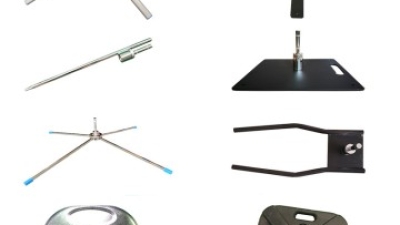
Steel base and plastic water tank base for beach feather flag
: High-quality polyester is recommended for producing durable hand flags as it can withstand winds of up to 30 mph without showing signs of wear, unlike cheaper nylon which may fray.
The dye-sublimation printing process on polyester provides vibrant colors that resist fading, while traditional screen printing may result in cracked designs under frequent movement.
Balancing efficiency and quality is crucial to ensure that flags not only meet high standards but also represent their purpose effectively and endure over time.
Manufacturers are increasingly using digital printing and automated cutting systems to reduce production time, but must integrate these with quality control measures.
The sector is facing challenges such as supply chain disruptions due to increased raw material costs, labor shortages, and logistical bottlenecks, impacting production timelines and quality control.
Manufacturers can mitigate disruptions by diversifying supplier networks, utilizing local suppliers to reduce lead times, and implementing advanced inventory management techniques.
Establishing strong relationships and maintaining regular communication with suppliers is crucial for navigating uncertainties and ensuring quick responses to potential disruptions.
Exploring alternative materials may alleviate supplier pressure and potentially lead to more innovative and cost-effective products in flag manufacturing.
Every step in the manufacturing process, including material selection and stitching, impacts the appearance and durability of the flags, emphasizing the importance of quality over speed.
Faded and damaged flags can detract from the intended impact during events, underscoring the importance of using high-quality materials and printing techniques.
In our blog titled "Unveiling Issues with Hand Flag Production and Quality Control," we take a closer look at the quite a few challenges that pop up during the manufacturing of hand flags. You know, things like design flubs, inconsistent material quality, and supply chain hiccups can really throw a wrench in the works and affect the final product. We also emphasize how crucial it is to stick to strict quality control standards — because that’s what guarantees your hand flags are durable AND look good. Plus, we talk about how the kind of materials used really makes a difference in how long the flags last, along with production methods that try to find that sweet spot between being efficient and maintaining high quality. Here at CHENGDU DISITU TECHNOLOGY CO., LTD., we totally get how important it is to get hand flags right. Since we kicked off in 2012, our goal wasn’t just to provide display gear and printing services, but also to set the bar high when it comes to flag production. That’s how we make sure our customers get flags that really live up to their expectations, which helps us stay a trusted name in the industry.
5 Reasons Teardrop Flags Elevate Your Brand Visibility

Best Practices for Sourcing Flag Holder Stands Globally
Top 5 Innovative Flag Holders for Walls: Elevate Your Display with Industry Insights

Unveiling the Top Choices for Best Feather Flag Pole That Elevate Your Branding Strategy
The Ultimate Guide to Choosing the Best Flag Poles For Sale Based on Industry Insights